
Space Industry Breakdown
The space industry isn't one thing — it's dozens of overlapping sectors, all growing fast. Pick the one that matches your skills and curiosity.
The Sectors
From building rockets to writing code that steers satellites, here's where the work actually happens — and where you can break in.

This is the industry that gets everything off the ground — literally. Companies like SpaceX, Rocket Lab, and Blue Origin are in a commercial launch race, and they need people at every level.

Satellites power your GPS, your weather forecast, and increasingly, your internet. Starlink, OneWeb, and hundreds of startups are filling low-Earth orbit — and hiring.
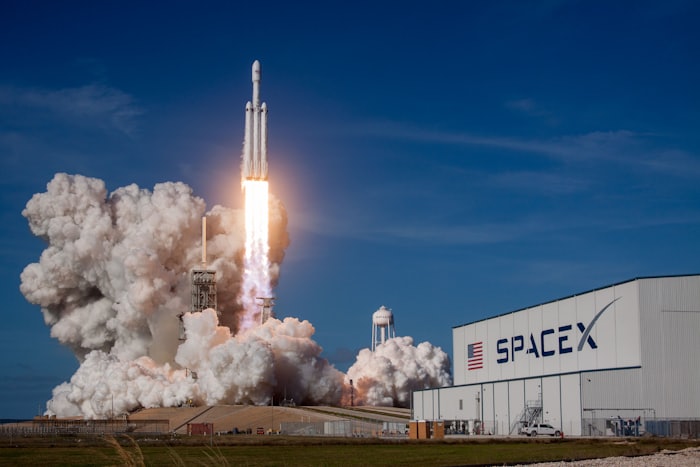
NASA, the Space Force, DARPA, and government contractors employ tens of thousands. If stability and mission-driven work sound right, this is your lane — clearances often come with the job.

Software runs everything from orbital mechanics to satellite ground stations. If you can code, space companies want you — and you don't need a physics degree to qualify.
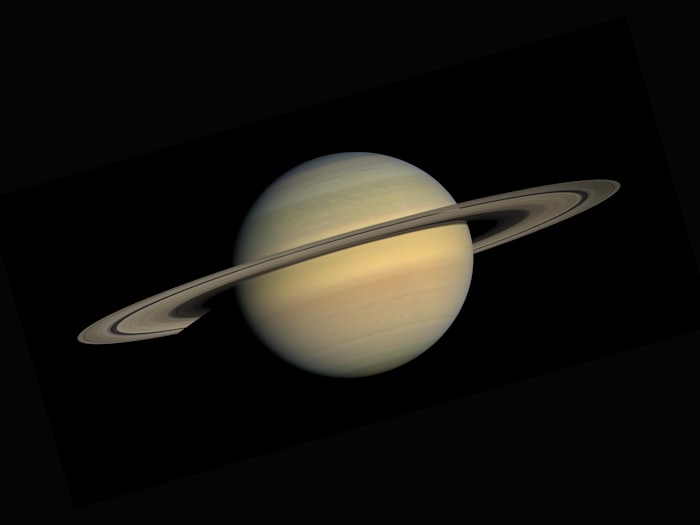
Virgin Galactic, SpaceX's Crew Dragon, and Axiom Space are opening space to paying passengers. Behind every flight is a team of trainers, marketers, logistics pros, and experience designers.

Companies like Planet Labs and Maxar use satellites to monitor forests, track shipping lanes, and predict crop yields. This sector needs environmental scientists, analysts, and storytellers just as much as engineers.

From astrophysics labs to planetary missions, this is where humans answer the universe's biggest questions. NASA, ESA, JAXA, and universities around the world are always seeking sharp minds.

Every rocket, satellite, and spacecraft is built by real people using real tools. Boeing, Northrop Grumman, and thousands of suppliers need machinists, welders, procurement leads, and operations managers.
You don't have to be a rocket scientist
Marketing, policy, finance, communications, HR, legal, logistics — every space company runs on people who never took an orbital mechanics class. If you have a skill set, there's a space job for it.
Show me non-engineer roles →How to read the industry
The space industry has its own culture, vocabulary, and hiring patterns. Here's what most job boards won't tell you.
Many defense and government space jobs require a U.S. security clearance. If you're eligible to apply for one, say so — it's a genuine competitive advantage. Entry-level roles often come with clearance sponsorship built in.
SpaceX, Rocket Lab, and the new wave of space startups don't move like traditional aerospace. Expect faster hiring cycles, more generalist roles, and a startup culture — even inside large companies.
Florida's Space Coast, Southern California, Houston, and Northern Colorado are the densest hiring markets. But remote space jobs — especially in software and data — are increasingly common post-2020.
If you work in aviation — as a pilot, mechanic, air traffic controller, or logistics pro — you're closer to a space career than you think. The overlap in skills, certifications, and mindset is significant.
More than any other industry, space companies hire from their intern pool. If you're still in school, a summer at NASA, SpaceX, or any of their suppliers can change your trajectory entirely — no pun intended.
ESA (Europe), JAXA (Japan), ISRO (India), and a growing number of national agencies are hiring internationally. If you're open to relocating, the opportunity map gets a lot bigger.